
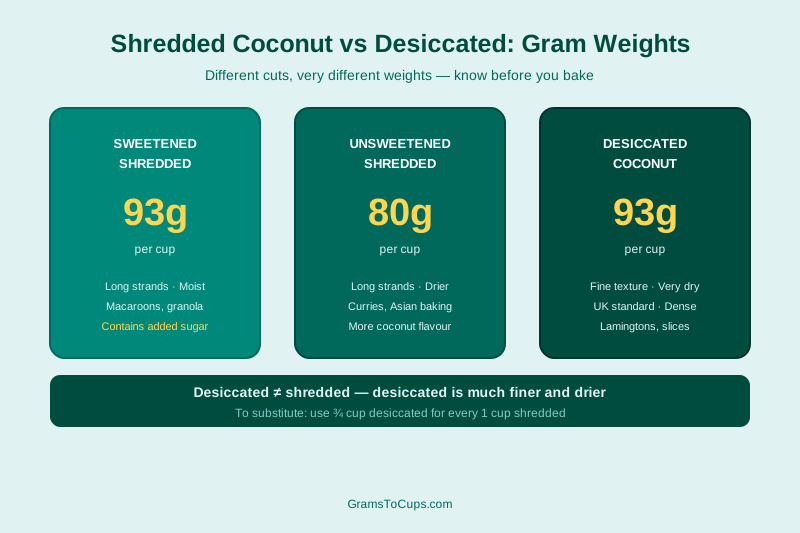
Coconut is used in dozens of baking recipes — from macaroons and granola to lamingtons, coconut cakes and Thai-inspired desserts. But recipes call for different forms of coconut: shredded, desiccated, flaked, toasted, sweetened or unsweetened. These terms seem similar but refer to products with very different textures, moisture levels, sugar content and gram weights. Using the wrong one can dramatically change the texture and flavour of your finished recipe.
Coconut Forms: What Each Term Means
- Shredded coconut: coconut flesh cut into long, fine strips (like grated cheese). Available sweetened or unsweetened. Common in US recipes.
- Desiccated coconut: coconut flesh that has been finely ground and then dried until very low moisture content remains. Very dry, fine, uniform texture. Standard in UK, Australian and South Asian recipes. Almost always unsweetened.
- Flaked coconut: coconut flesh cut into larger, wider, irregular flakes. Thicker and chunkier than shredded. Provides a different texture in baked goods.
- Toasted coconut: any of the above that has been toasted until golden brown. Adds crunch and a nutty depth of flavour.
Coconut Gram Weights Chart
| Type | 1 Cup (g) | ½ Cup (g) | ¼ Cup (g) | 1 Tbsp (g) |
|---|---|---|---|---|
| Sweetened shredded (moist) | 93g | 47g | 23g | 5.8g |
| Unsweetened shredded (dry) | 80g | 40g | 20g | 5g |
| Desiccated coconut (fine, dry) | 93g | 47g | 23g | 5.8g |
| Coconut flakes (large) | 60g | 30g | 15g | 3.75g |
| Toasted shredded coconut | 75g | 38g | 19g | 4.7g |
| Toasted desiccated coconut | 88g | 44g | 22g | 5.5g |
Sweetened vs Unsweetened Shredded Coconut
The most important distinction for baking is sweetened vs unsweetened:
- Sweetened shredded coconut (common in US): contains added sugar and propylene glycol (a humectant that keeps it moist and soft). Sweeter, wetter and heavier per cup (93g). Best in: American-style macaroons, coconut cake frosting, granola bars, no-bake cookies.
- Unsweetened shredded coconut: drier, more intensely coconut-flavoured, lighter per cup (80g). Best in: savoury applications, health-focused recipes, recipes where you want to control sweetness, Thai and Indian cooking.
When a US recipe calls for "shredded coconut" without specifying sweetened or unsweetened, it almost always means sweetened shredded coconut. When a UK, Australian or South Asian recipe calls for "desiccated coconut," it means the fine, dry, unsweetened variety — not the moist American shredded. Always identify which market the recipe is from before buying coconut.
Converting Between Coconut Types
| Recipe calls for | You have | Substitution |
|---|---|---|
| 1 cup (93g) sweetened shredded | Unsweetened shredded | Use 93g unsweetened + 1 tbsp (12.5g) sugar, or use 1¼ cups by volume |
| 1 cup (93g) desiccated | Unsweetened shredded | Use 80g (1 cup) shredded — texture will be different (coarser) |
| 1 cup (80g) unsweetened shredded | Desiccated | Use 80g (slightly less than 1 cup) desiccated + 1 tbsp water to hydrate |
Toasting Coconut: Weight and Method
Toasting coconut before use in baking adds tremendous flavour — a nutty, caramel depth that raw coconut lacks. During toasting, some moisture evaporates, reducing weight slightly. To toast: spread in a single layer on a dry baking sheet, bake at 175°C (350°F) for 5–8 minutes, stirring every 2–3 minutes, until golden. Watch carefully — coconut goes from golden to burnt in 30 seconds. See our nut flour guide for more coconut-related baking weights.
Frequently Asked Questions
How many grams is 1 cup of desiccated coconut?
One cup of desiccated coconut weighs approximately 93 grams. Despite being a fine, dry powder, desiccated coconut packs quite densely — it's similar in weight per cup to sweetened shredded coconut (also 93g) but with a very different texture. Coconut flakes (large, irregular pieces) weigh much less at around 60g per cup because of the large air pockets between flakes.
Can I use desiccated coconut instead of shredded coconut in macaroons?
Yes, but with modifications. Desiccated coconut is much drier than sweetened shredded coconut, so macaroons made with it will be drier and crumblier. To compensate: (1) use the same weight (93g); (2) add 1–2 tablespoons of water or coconut cream to the mixture before shaping; (3) add 2–3 tablespoons of additional sugar since desiccated coconut is unsweetened. The macaroons will be slightly less chewy and more compact than the American style, producing a result more similar to Italian or French-style coconut biscuits.
How do I make desiccated coconut from fresh coconut?
Crack a fresh coconut, remove the flesh, peel the brown skin if desired (for white desiccated coconut). Grate or process the flesh finely. Spread on a baking sheet and dry in an oven at 80–100°C (175–210°F) for 1–2 hours, stirring every 20 minutes, until completely dry and bone-dry to the touch. Cool completely before storing. 200g fresh coconut flesh yields approximately 60–70g desiccated coconut after drying. Store in an airtight container for up to 3 months at room temperature.
What is propylene glycol in sweetened shredded coconut?
Propylene glycol is a food-grade humectant (moisture retainer) added to sweetened shredded coconut to keep it soft, moist and pliable on the shelf. It is classified as "generally recognised as safe" (GRAS) by the FDA and is used in many processed foods. It's the reason sweetened shredded coconut stays soft for months without refrigeration. If you prefer to avoid it, look for sweetened shredded coconut labelled as propylene glycol-free, or use unsweetened shredded coconut (which typically doesn't contain it) and add sugar separately.
How do I store opened coconut?
Opened coconut should be stored in an airtight container. Sweetened shredded coconut lasts up to 6 months at room temperature due to its sugar content and humectant. Unsweetened and desiccated coconut last 3–4 months at room temperature, 6 months refrigerated. To extend shelf life: freeze in zip-lock bags for up to 12 months — frozen coconut can be used directly from frozen in most baking recipes. Signs of rancidity: sour or "crayony" smell — discard immediately.
Is coconut suitable for people with nut allergies?
Coconut is classified as a tree nut by the US FDA, so products may carry "contains tree nuts" labelling. However, coconut is botanically a fruit (drupe), and most people with tree nut allergies (walnut, almond, cashew, etc.) can safely consume coconut. That said, some individuals do have a specific coconut allergy, and cross-reactivity between coconut and other tree nuts does occur in rare cases. If you have a tree nut allergy, consult your allergist before consuming coconut products.